Total War: Arena
Art direction for a live-service multiplayer strategy game focused on battlefield readability, spectator clarity, and long-term visual sustainability within the Total War universe.
00
challenge
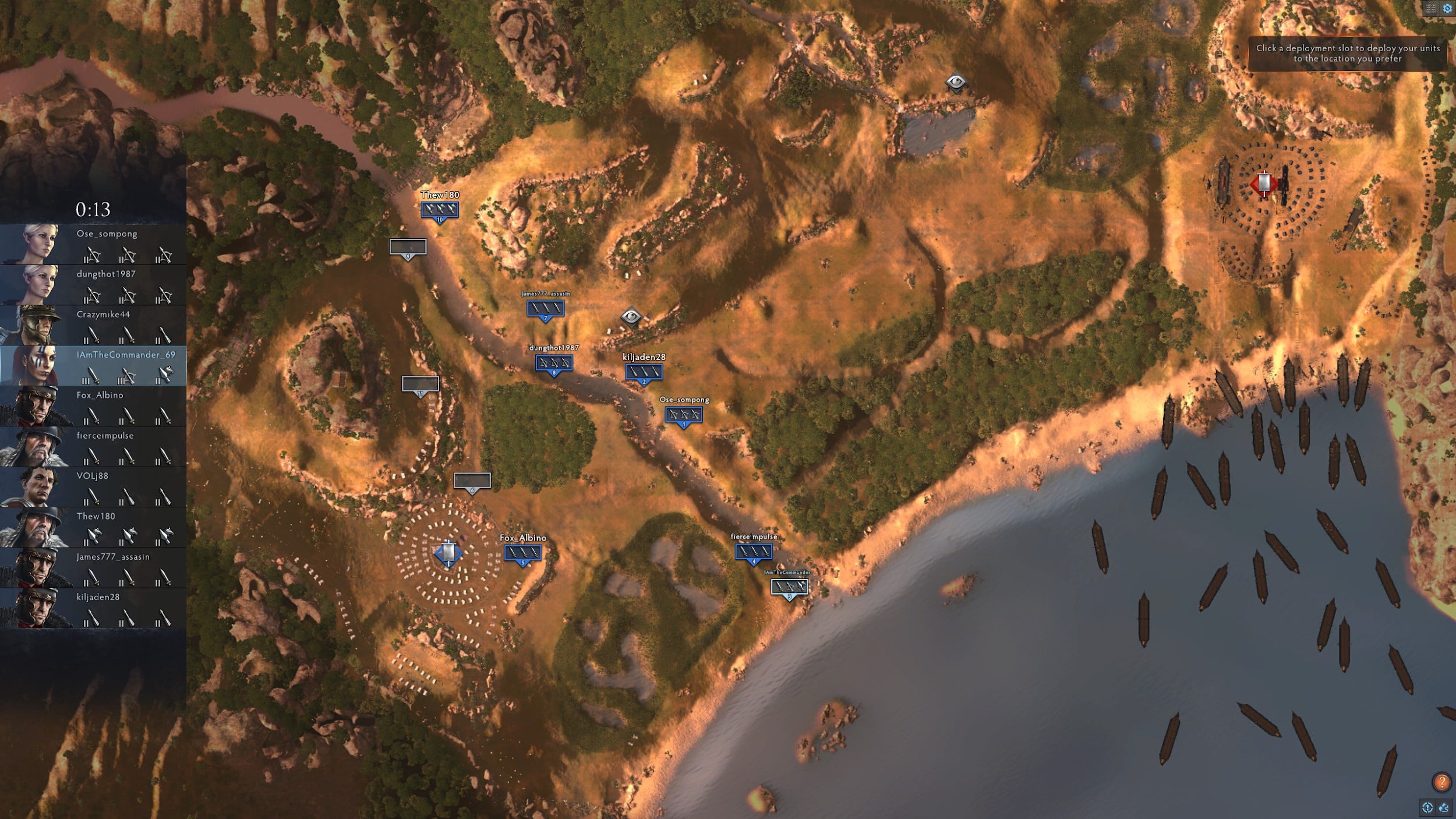
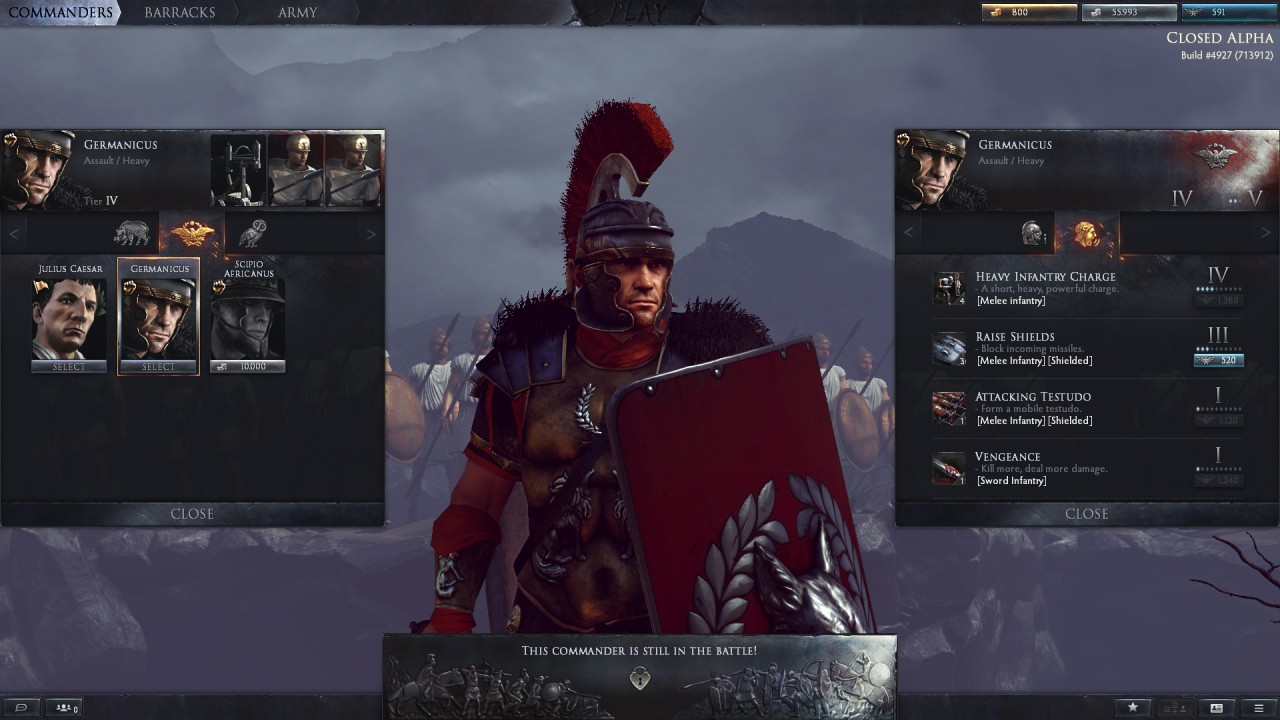
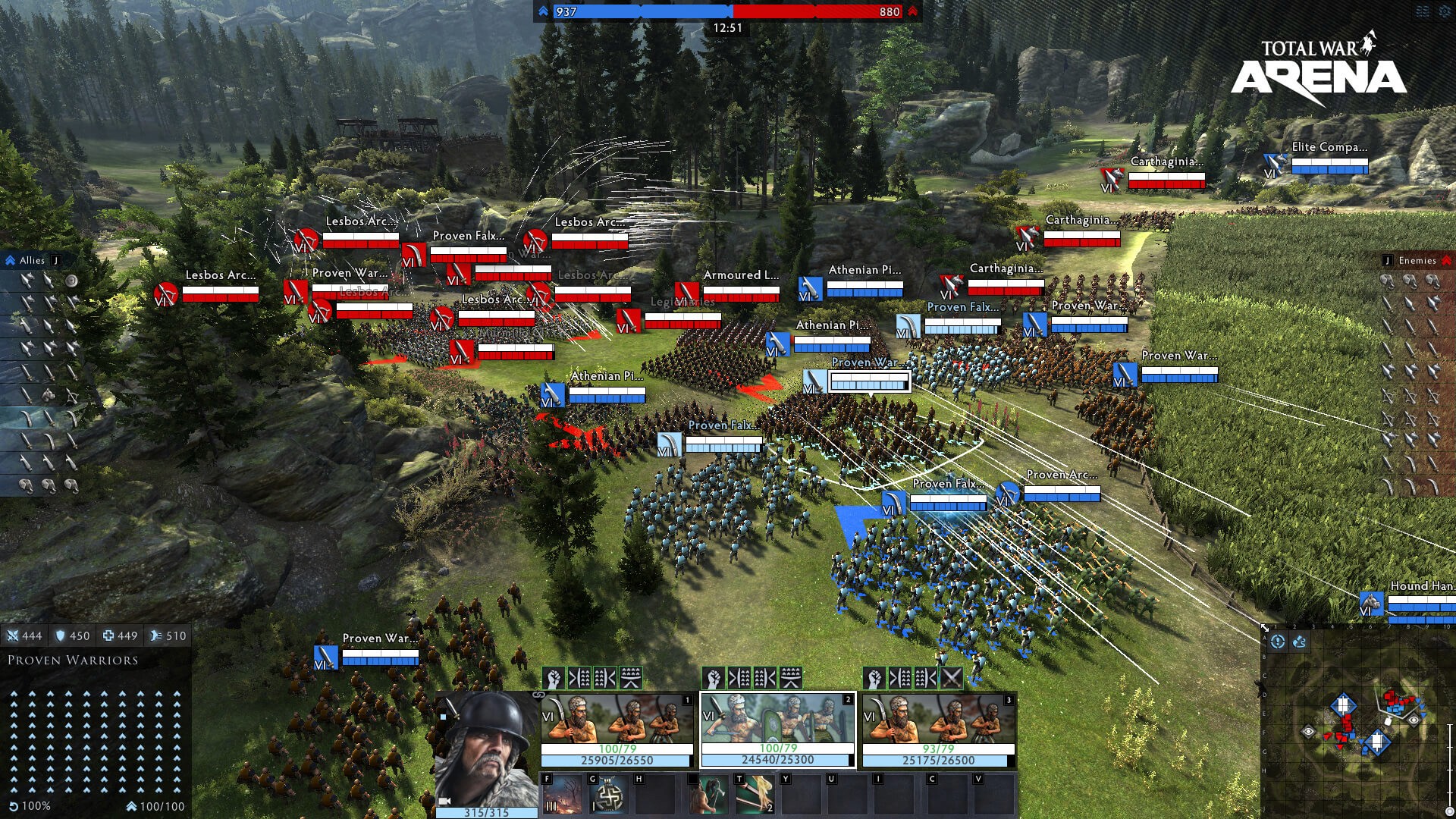
As the game evolved, visual inconsistencies across UI, units, and battlefield feedback made it harder for players to quickly understand combat states and make informed decisions. The challenge was to improve clarity while supporting a live product that continued to grow in complexity over time.
solution
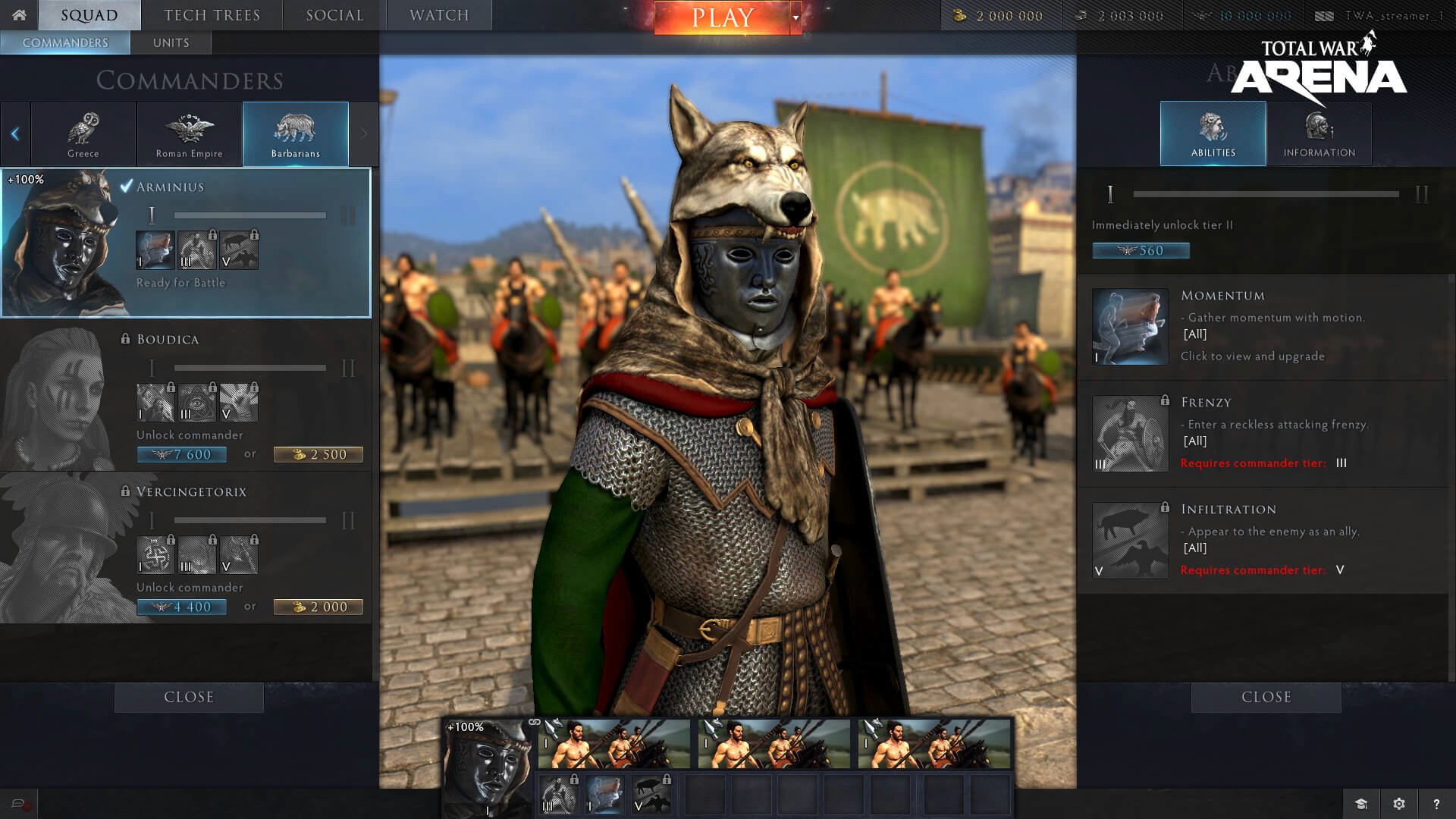
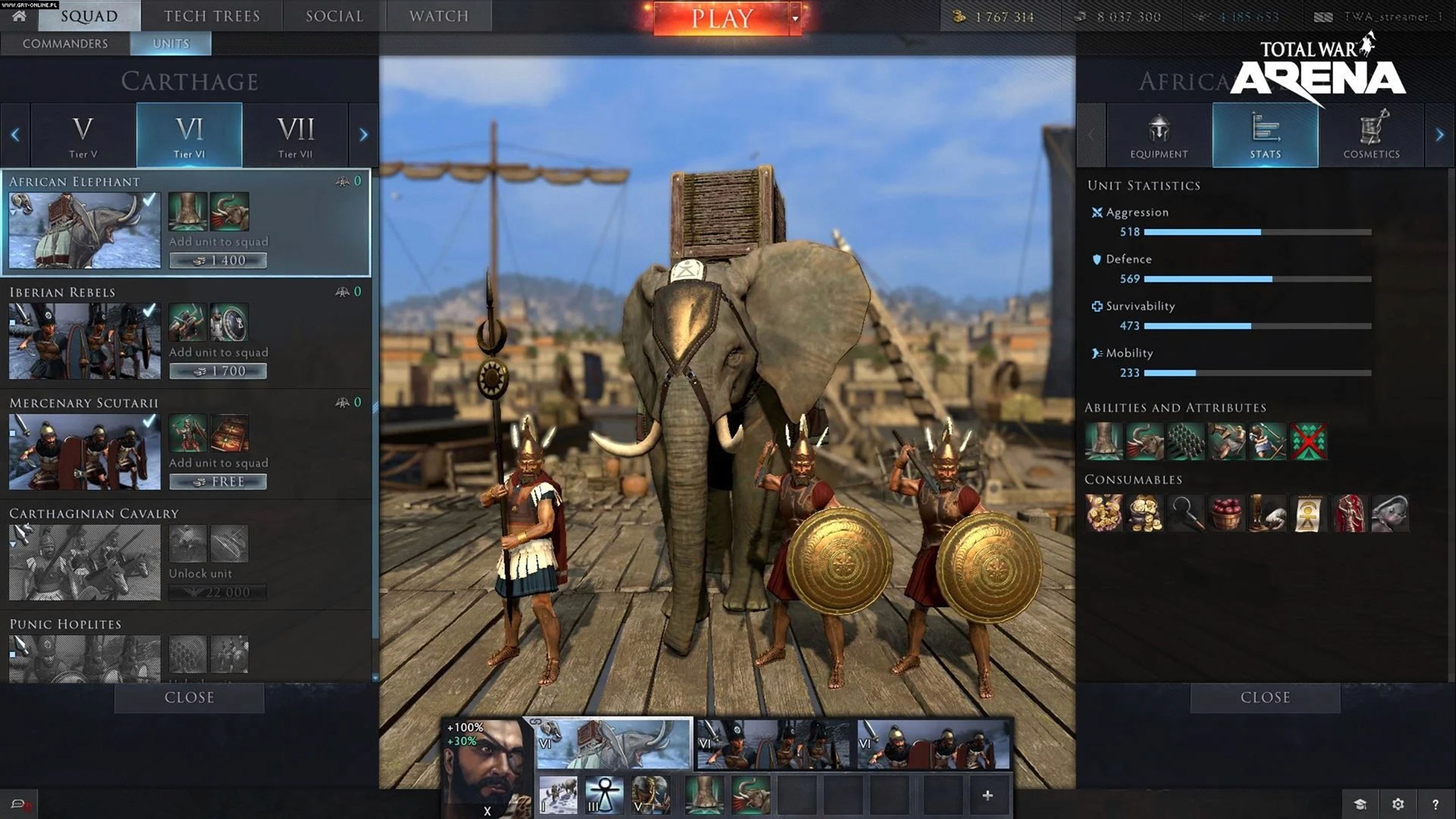
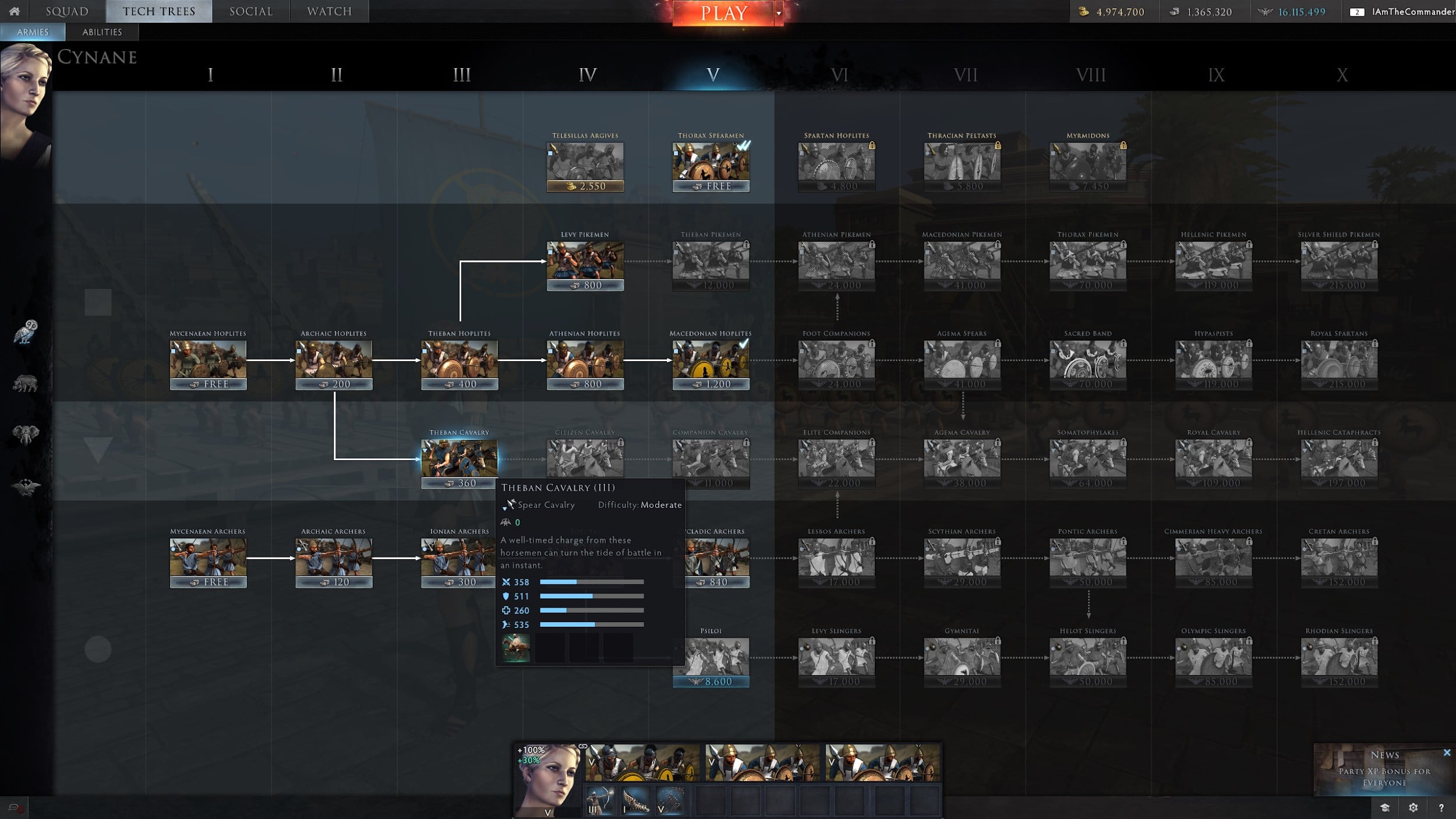
The solution focused on building consistent visual systems that improved readability and could scale across the game’s ongoing development. - Established a clear visual hierarchy across UI, units, and battlefield elements - Simplified and unified iconography, colour, and feedback systems - Improved readability of units, formations, and combat interactions - Aligned visual direction closely with gameplay and design needs - Built scalable systems to support new features, factions, and long-term updates
Evolving Total War’s visual language to support competitive multiplayer, changing markets, and long-term live-service development.
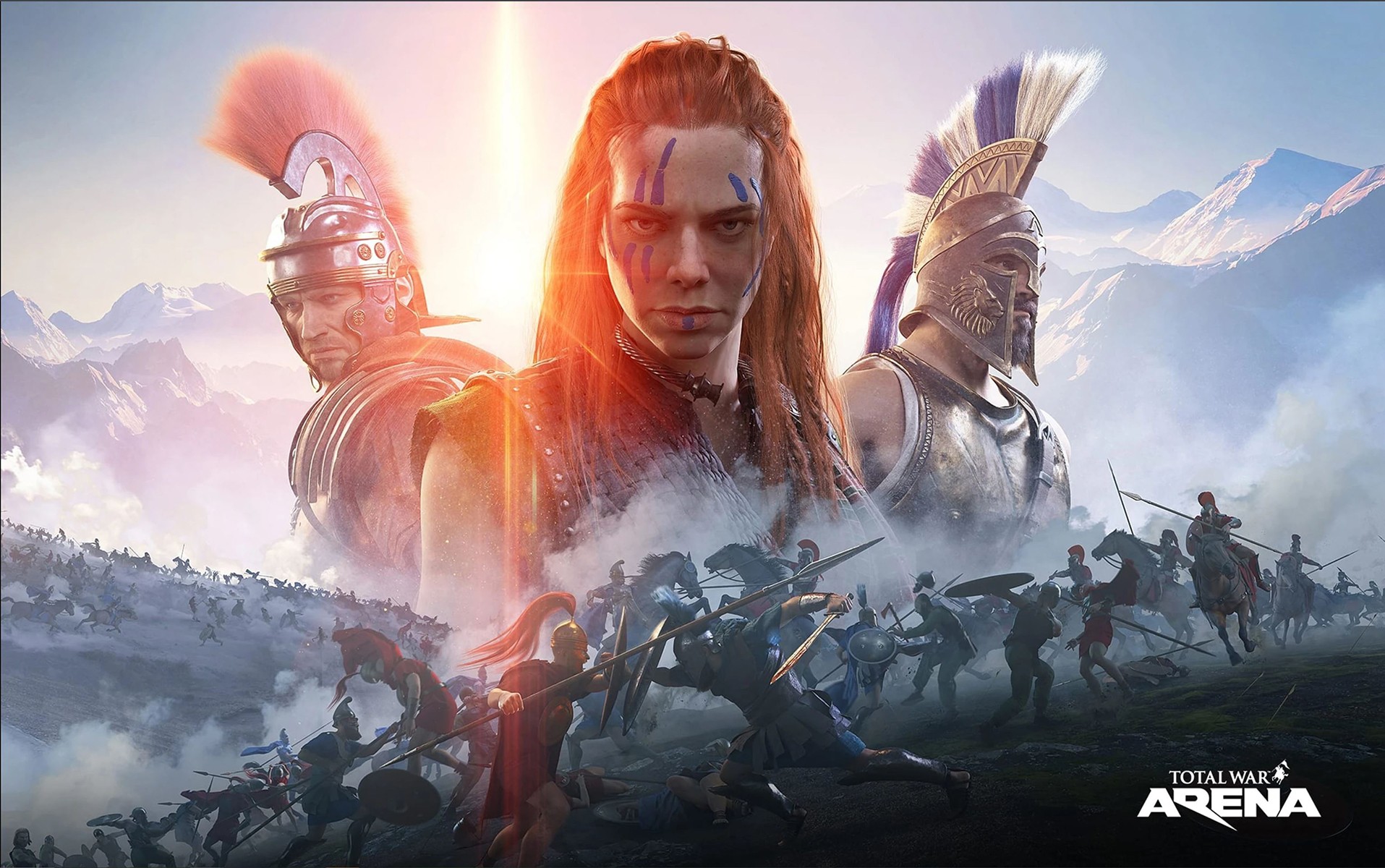
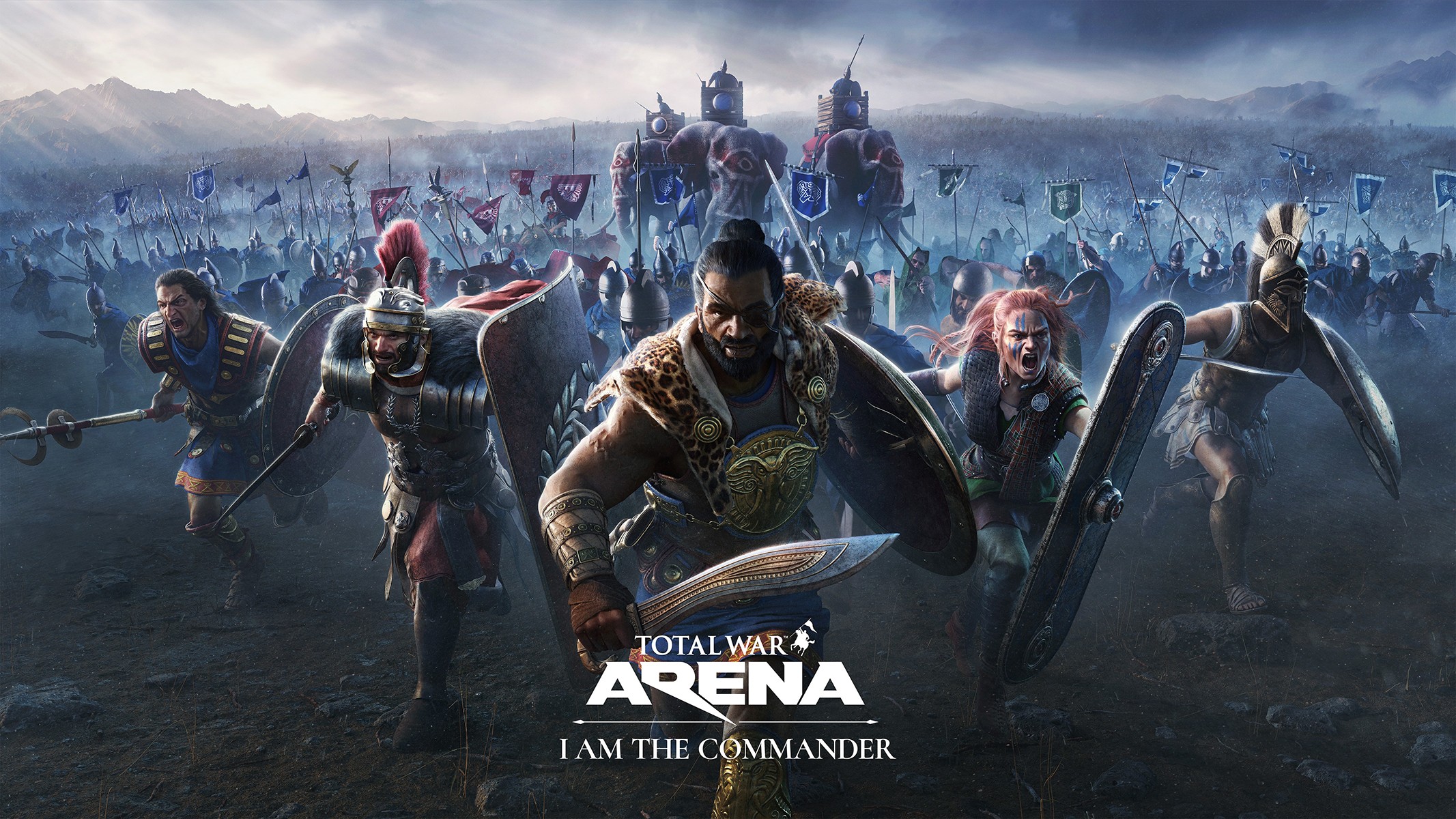
Total War: Arena represented a major shift for the franchise, focusing entirely on multiplayer battles where ten players faced off against ten opponents in tactical engagements. Each player controlled three units under the command of a historical general, requiring the battlefield to communicate gameplay information quickly and clearly while still preserving the scale and authenticity associated with Total War.
As development progressed across multiple publishing partners, the direction of the game continued to evolve. This required the visual identity to adapt to different audiences and expectations, shifting toward a more readable, accessible, and competitive experience while maintaining the core DNA of the franchise.
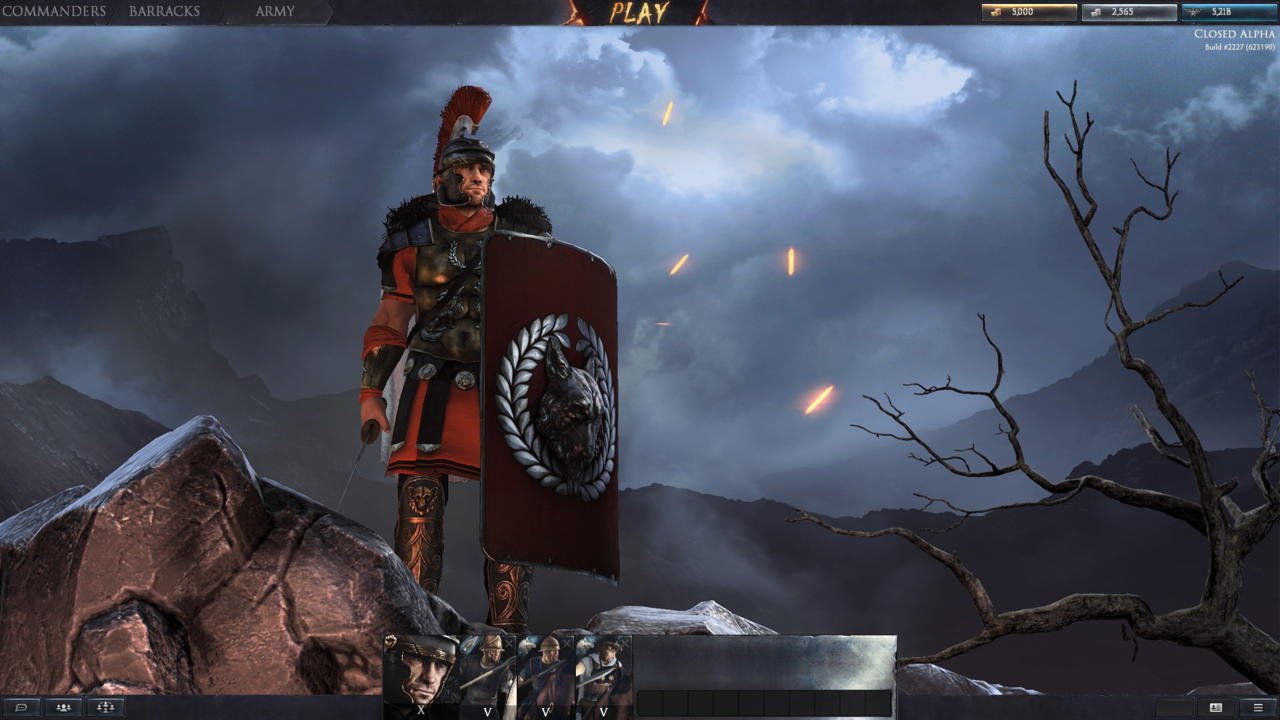
Working with an established engine and legacy assets, much of the visual improvement came through refining materials, lighting, environment composition, and effects. These changes helped modernise the game while staying within technical constraints.
The final result was a battlefield that felt recognisably Total War, but was clearer, more readable, and better suited to competitive multiplayer and spectator play.
Impact
Shifted the visual direction to support a competitive multiplayer audience and evolving market expectations
Improved battlefield readability for both players and spectators in large scale engagements
Established a visual language that supported multiple publishers and regional audiences
Elevated visual quality within the constraints of an older engine and legacy assets
Enabled the game to scale as a live-service experience with ongoing content updates
year
2013-2019
Team Size
15+ Artists
tools
Proprietary Engine
category
Professional Work
01
02
03
04
05
06
07