approach
as an art director my approach focuses on
understanding the problem
Every project begins with understanding what the experience needs to achieve.
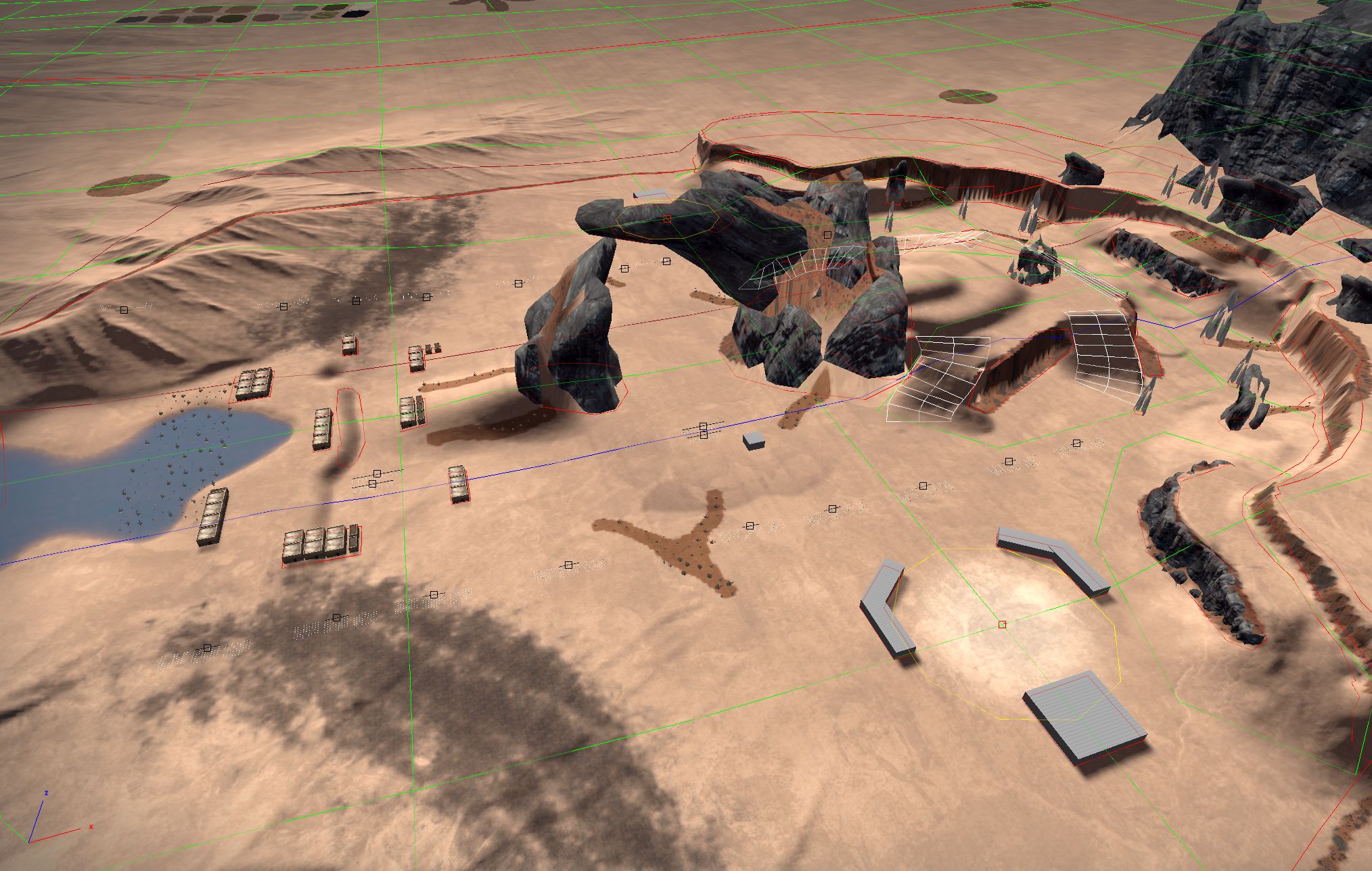
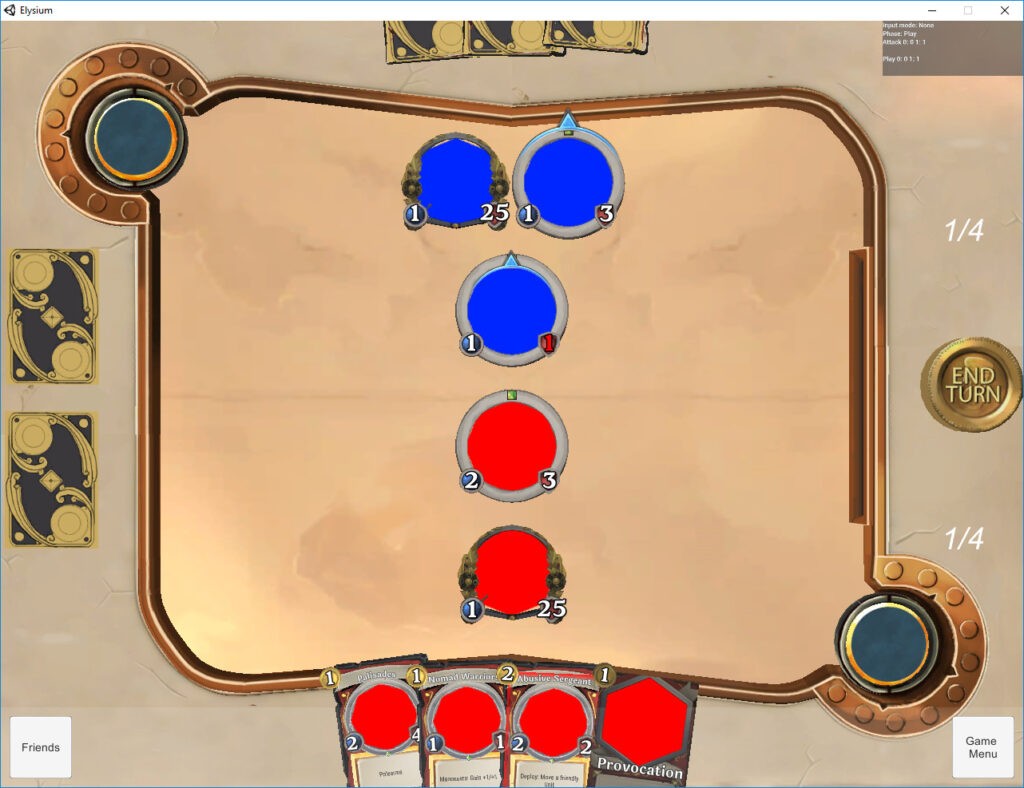
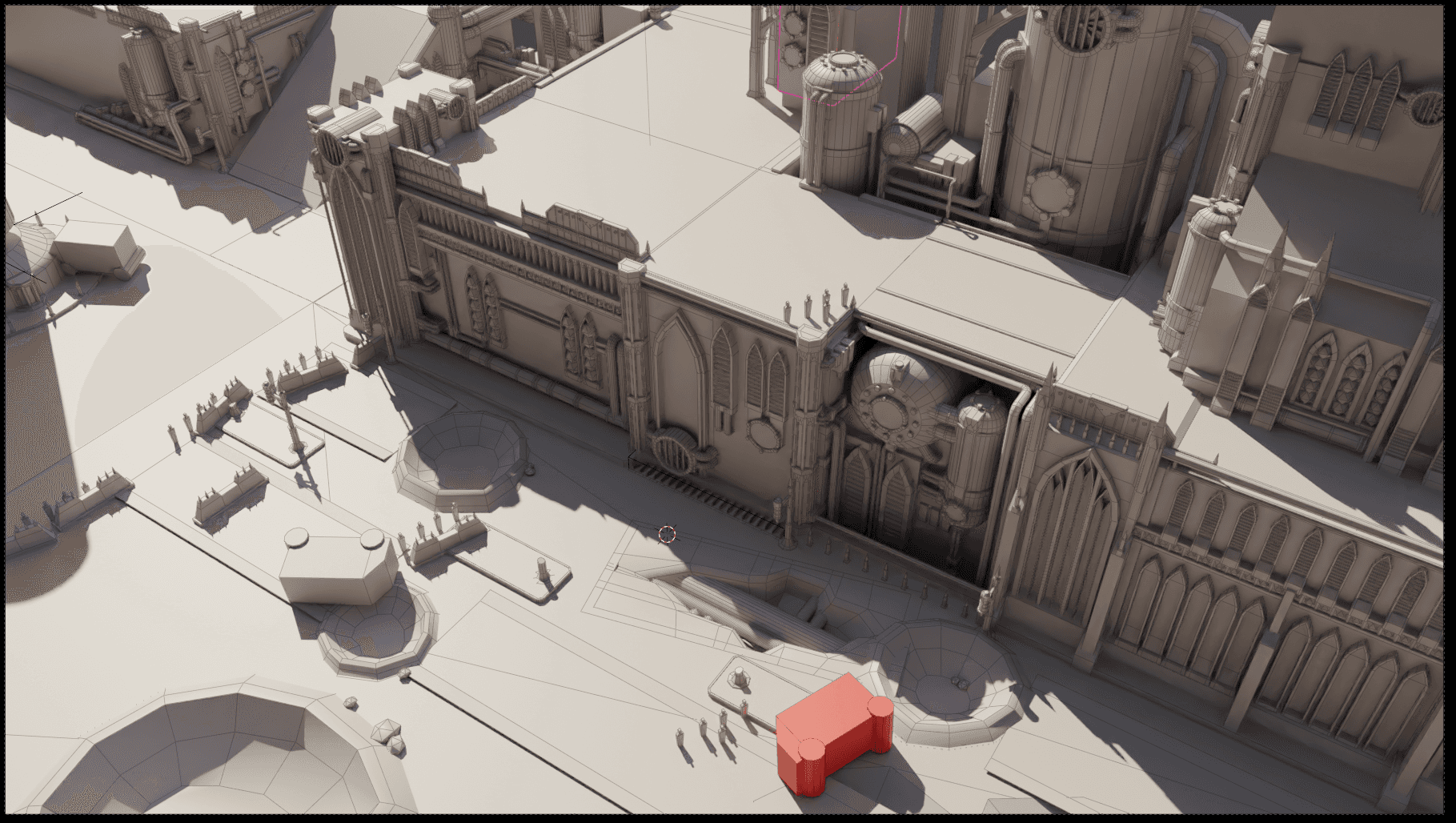
Before defining visual direction, I focus on understanding the core challenge of the project. This includes the player experience, the technical constraints, and the long-term goals of the game. Establishing this foundation ensures that the visual direction supports gameplay, production, and future development.
defining the vision
A strong vision creates alignment across teams.
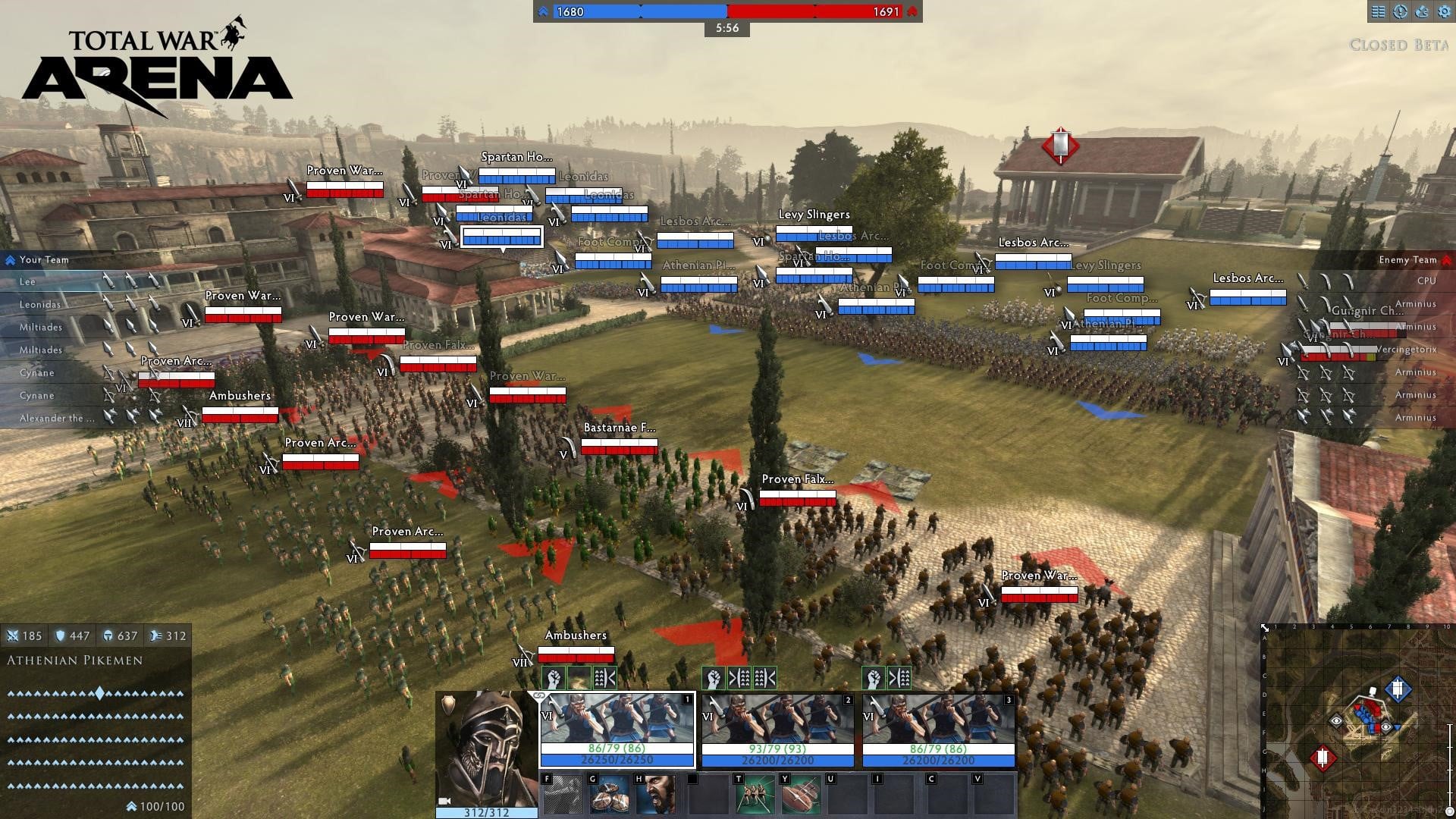
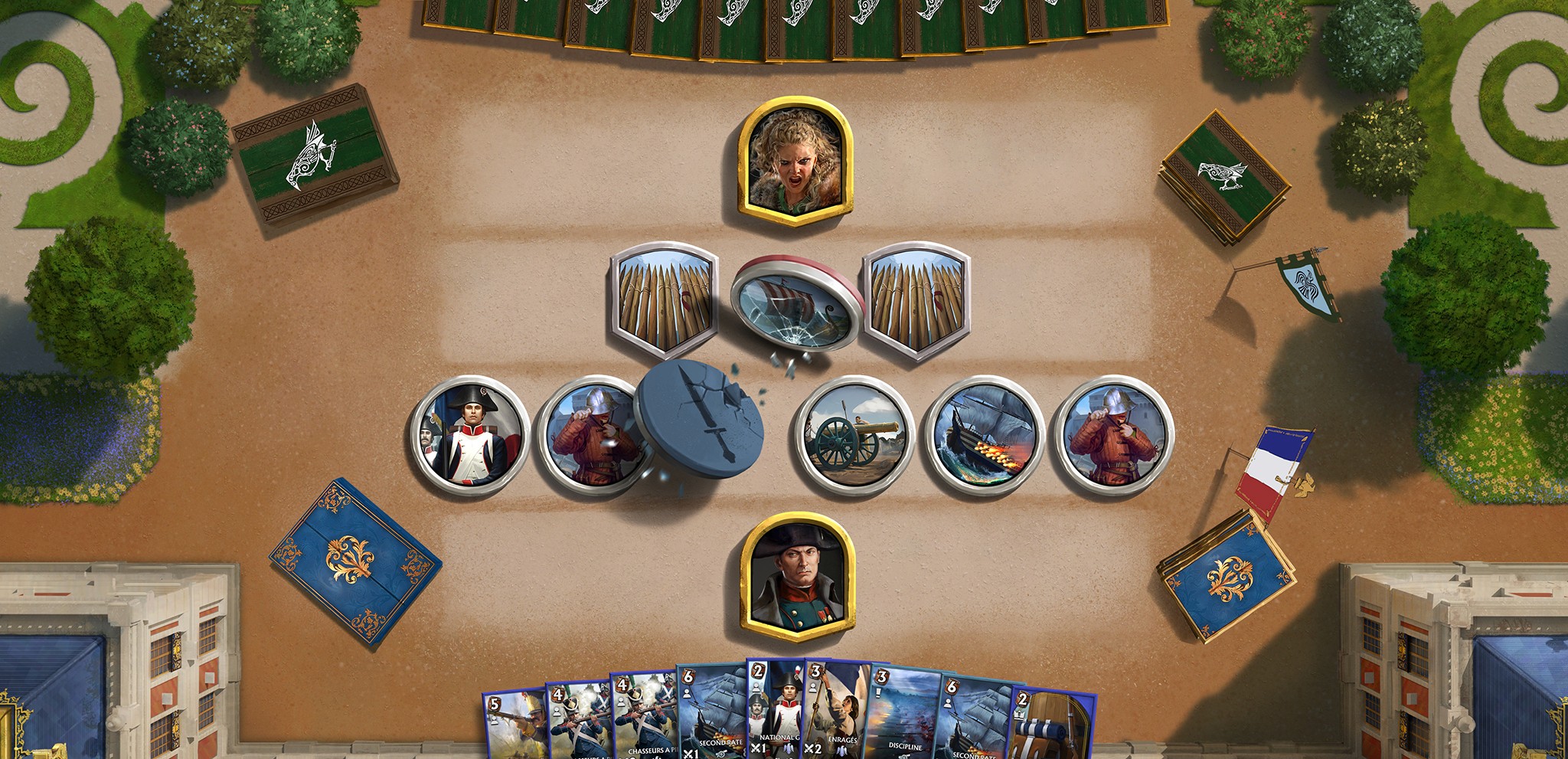
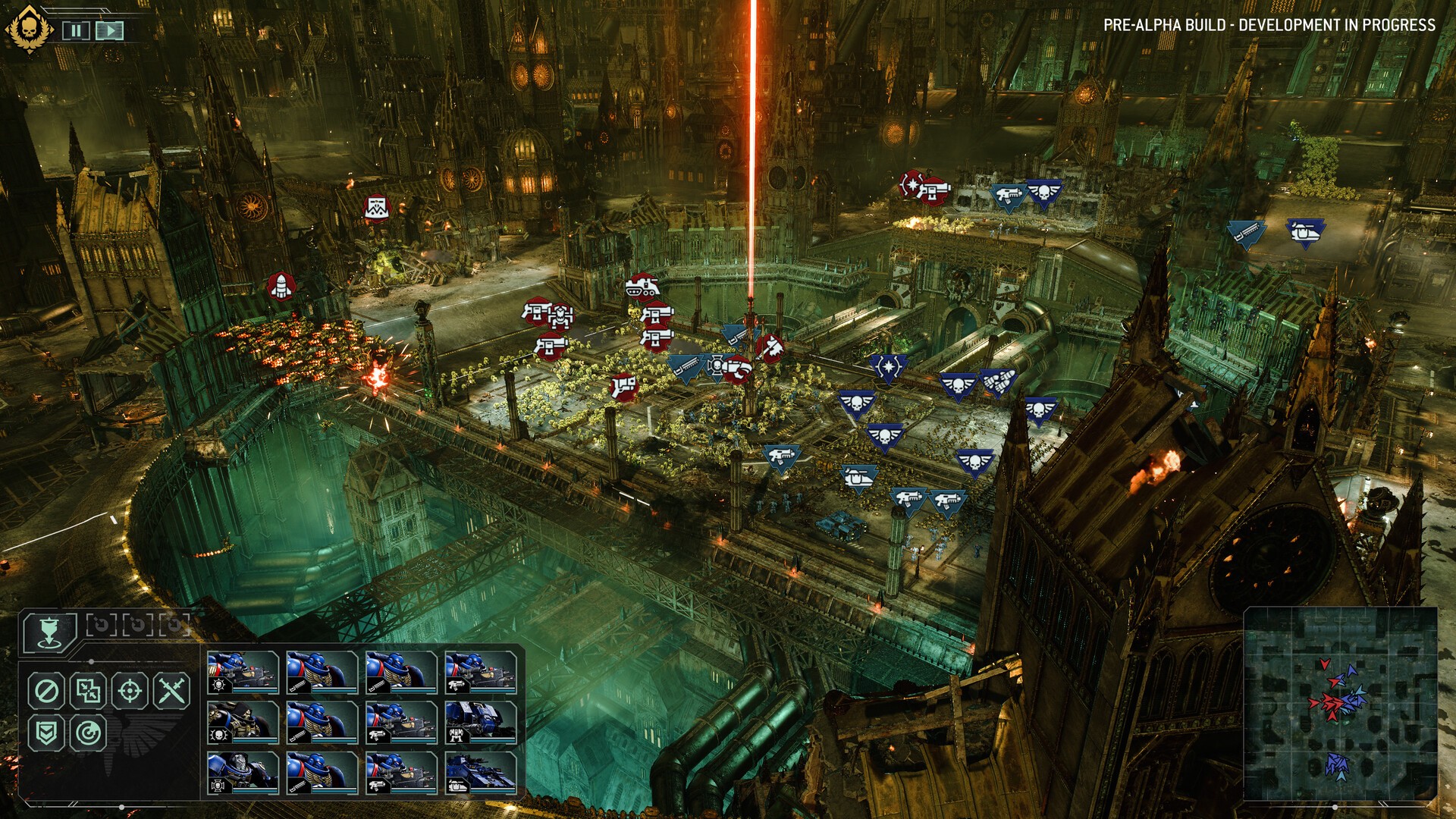
Once the problem is understood, the next step is defining the visual pillars of the project. These pillars help establish tone, visual hierarchy, faction identity, and environmental direction. The goal is to create a shared understanding of the project’s visual language that can guide every discipline involved in production.
communicating direction
Direction only works if the team understands it.
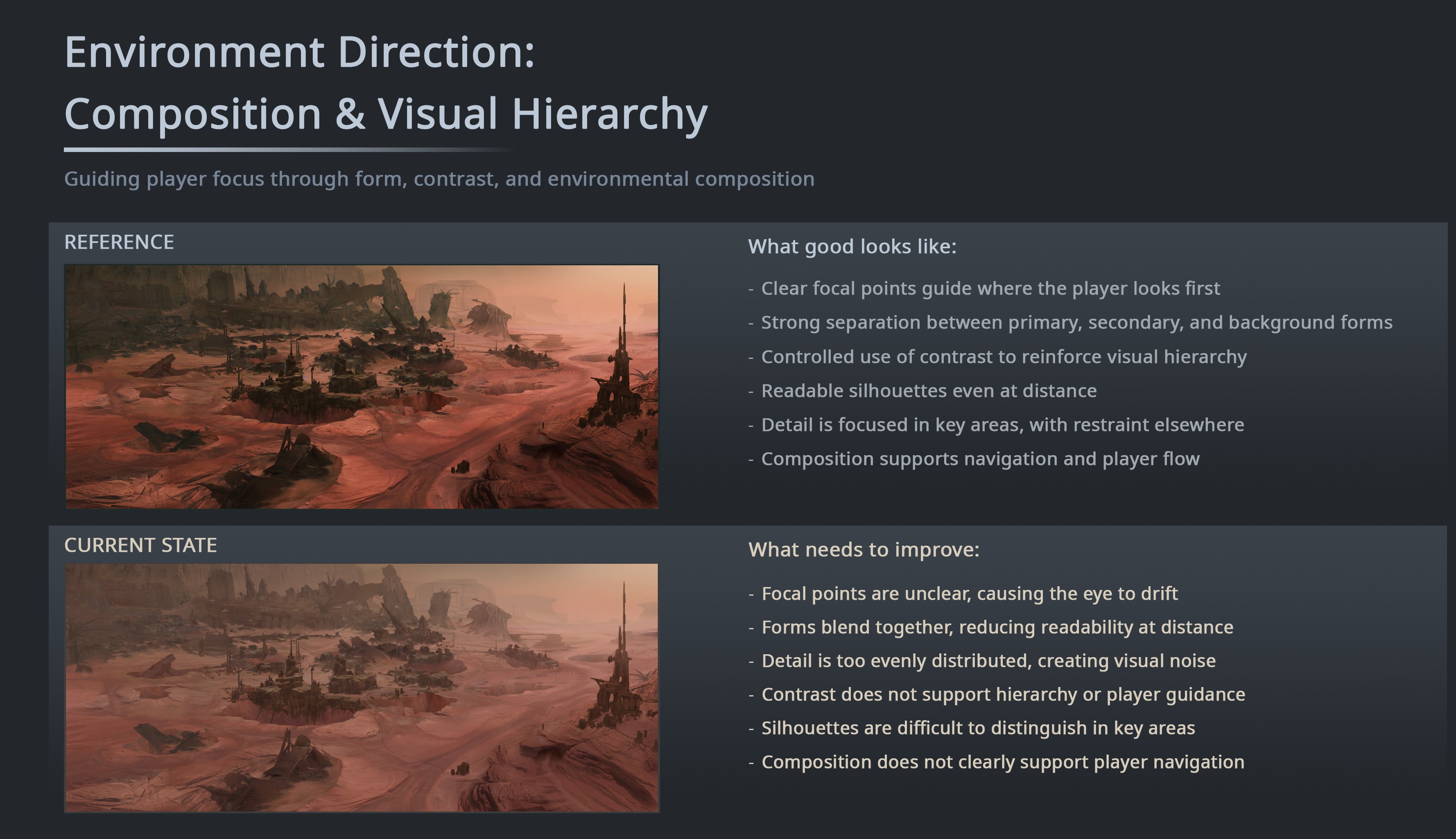
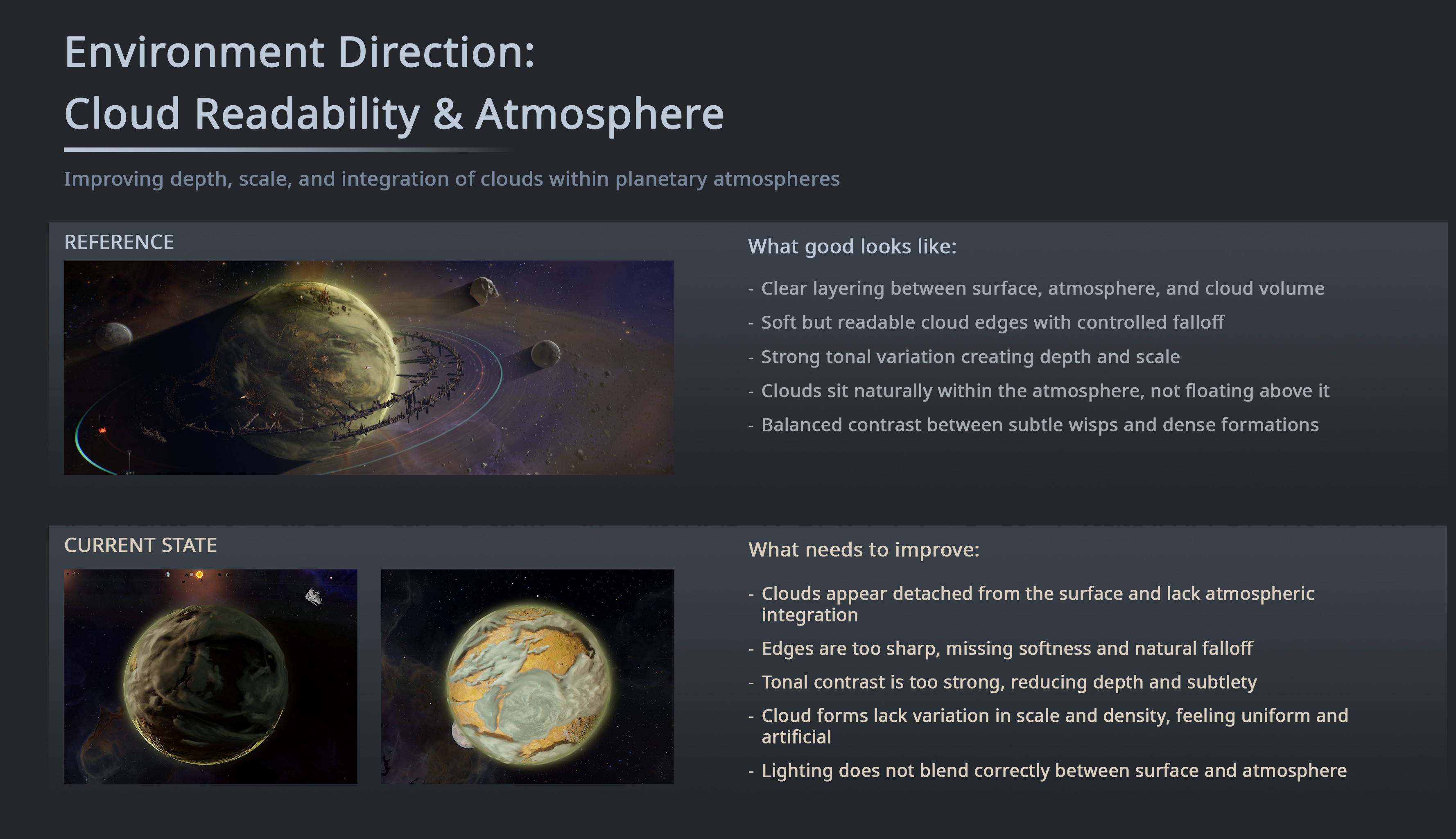
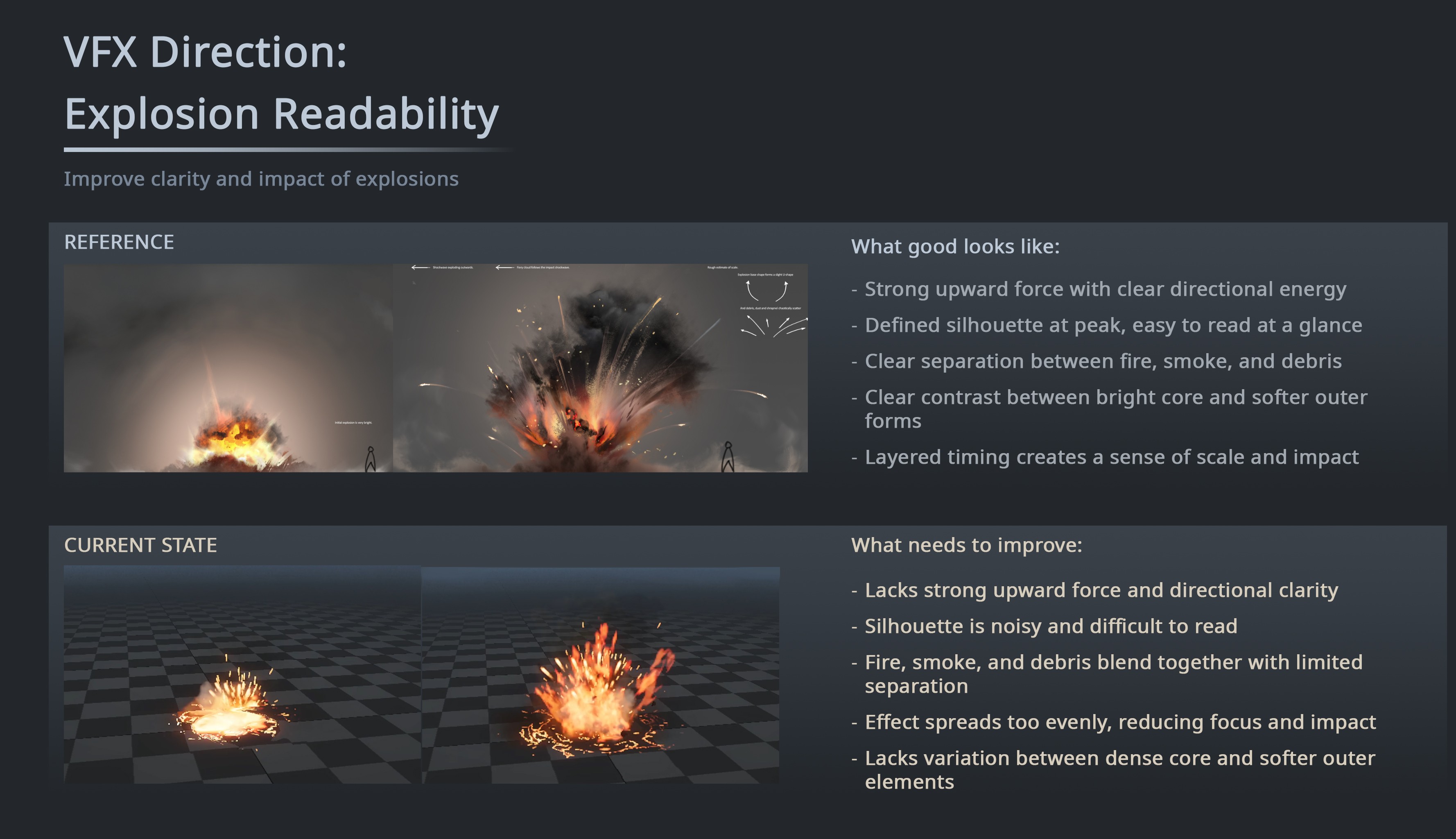
Clear communication is critical to successful art direction. Rather than relying solely on documentation, I work closely with teams through reviews, discussions, and iterative feedback. Visual notes, paintovers, and direct collaboration help ensure the direction remains clear while allowing artists to contribute their own expertise.
supporting production
Direction must evolve as projects move through development.
As production progresses, the role of art direction shifts toward maintaining consistency while adapting to new challenges. This includes reviewing assets, supporting teams as they solve visual problems, and ensuring that new content continues to align with the original vision of the project.
evolving the vision
Strong art direction adapts without losing its identity.
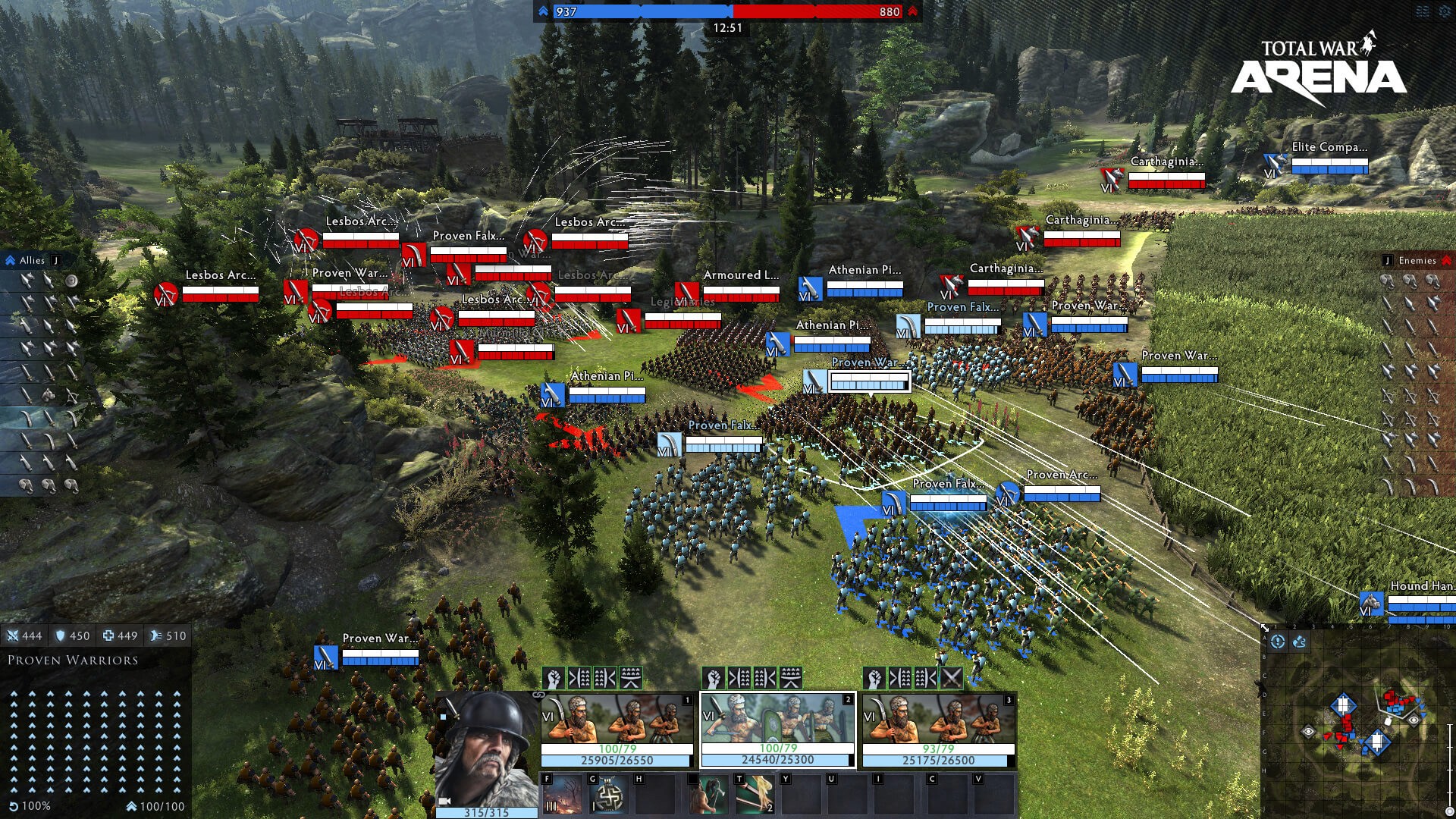
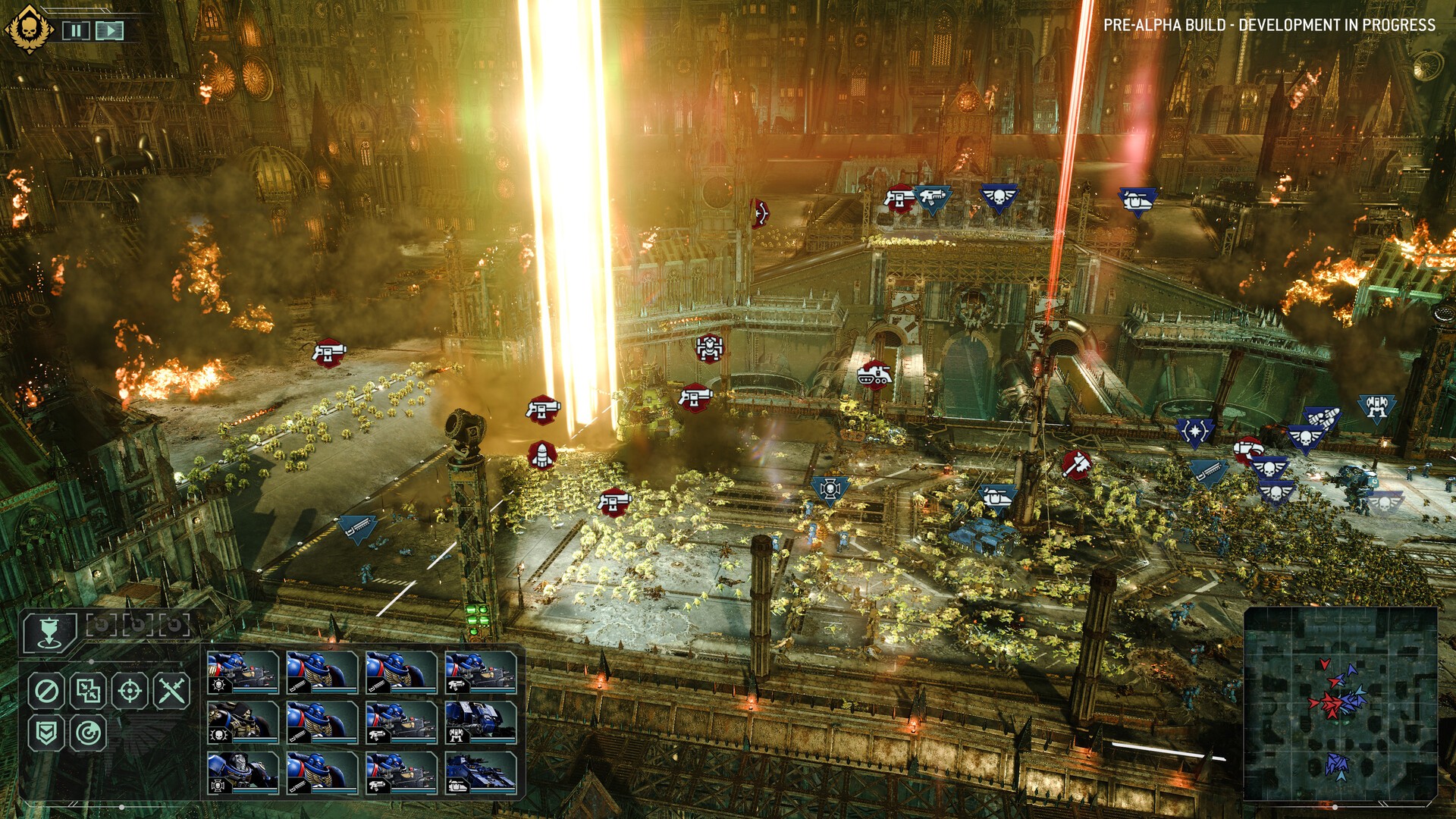
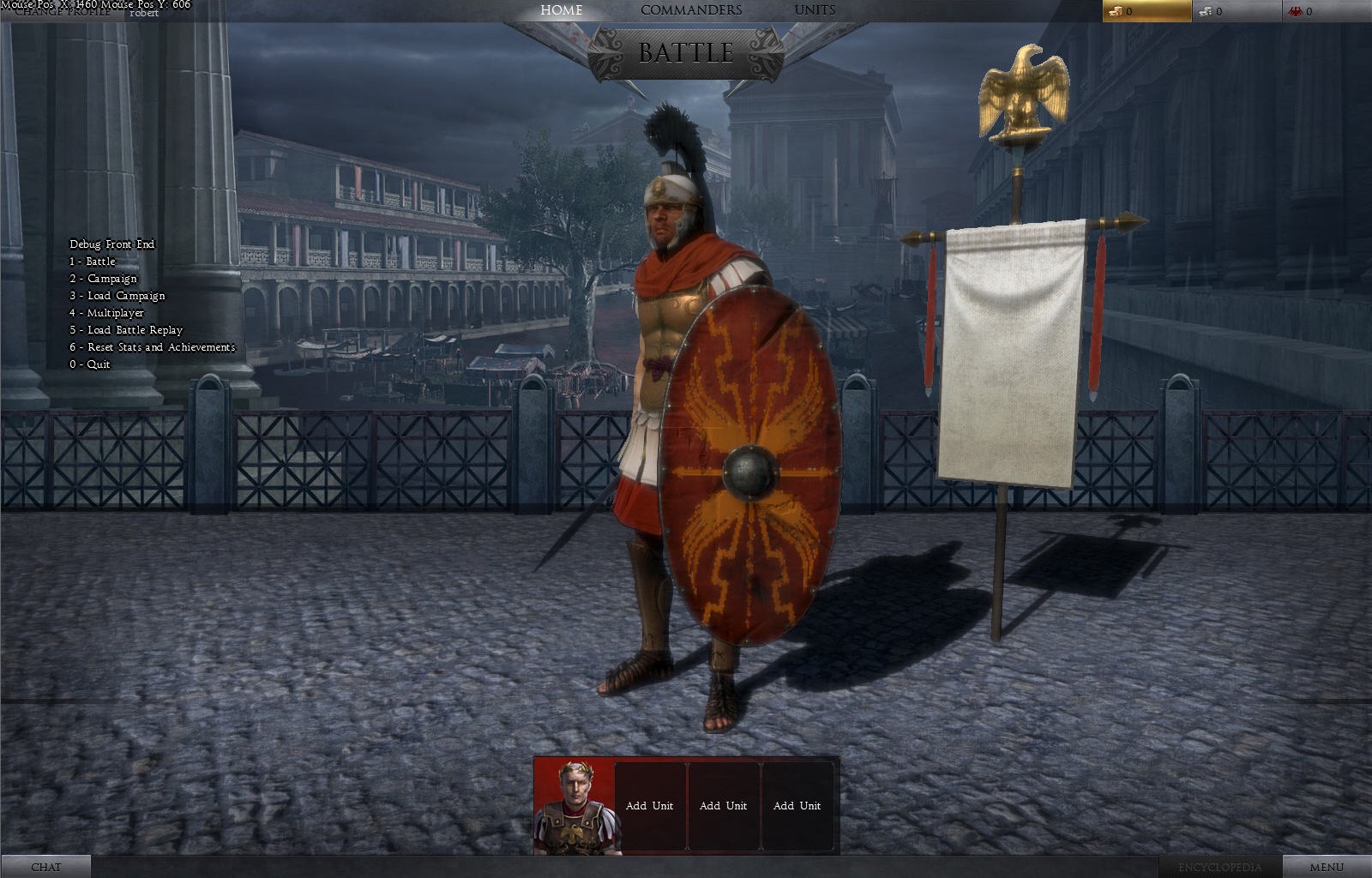
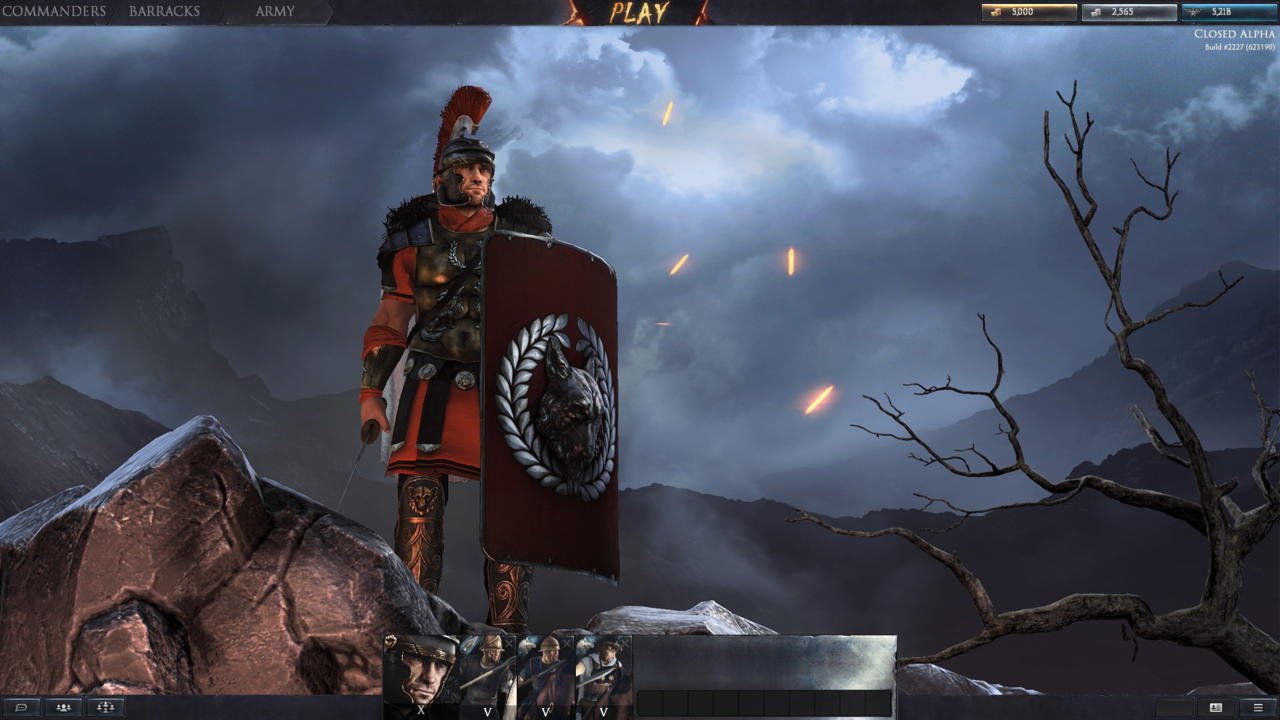
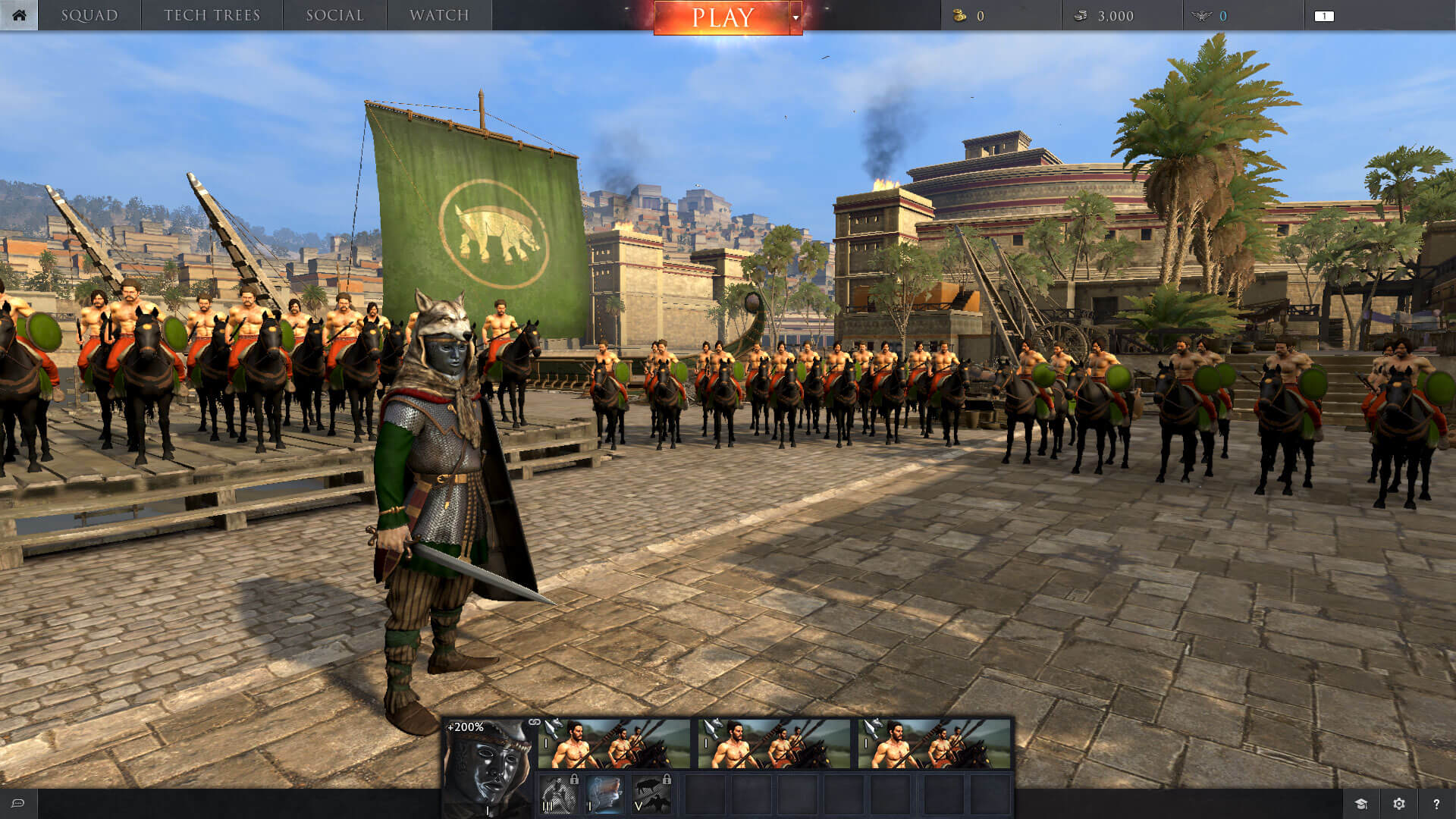
Games evolve over time, especially live-service titles. The visual direction must be flexible enough to support new content, environments, factions, and features without losing coherence. Maintaining this balance ensures that the project remains visually strong throughout its lifecycle.
great art direction